Starting retinol successfully requires patience, a gradual introduction schedule, and careful attention to your skin barrier. By easing this vitamin A derivative into your evening routine two nights a week, you allow your skin to build natural tolerance while minimizing dryness and flaking.
How to Start Using Retinol Without Irritation
Introduce retinol gradually to build skin tolerance over time
Your skin needs time to adjust to active cellular renewal. Rushing into daily use often leads to compromised barriers, redness, and unnecessary discomfort. Giving your skin weeks to adapt ensures a smooth, glowing transition.
Start by applying a pea-sized amount two nights a week
More product does not mean better results. A single pea-sized drop is enough to cover your entire face evenly. Limiting initial application to twice a week keeps your skin calm while it learns to process the active ingredient.
Buffer with a hydrating moisturizer if your skin feels sensitive
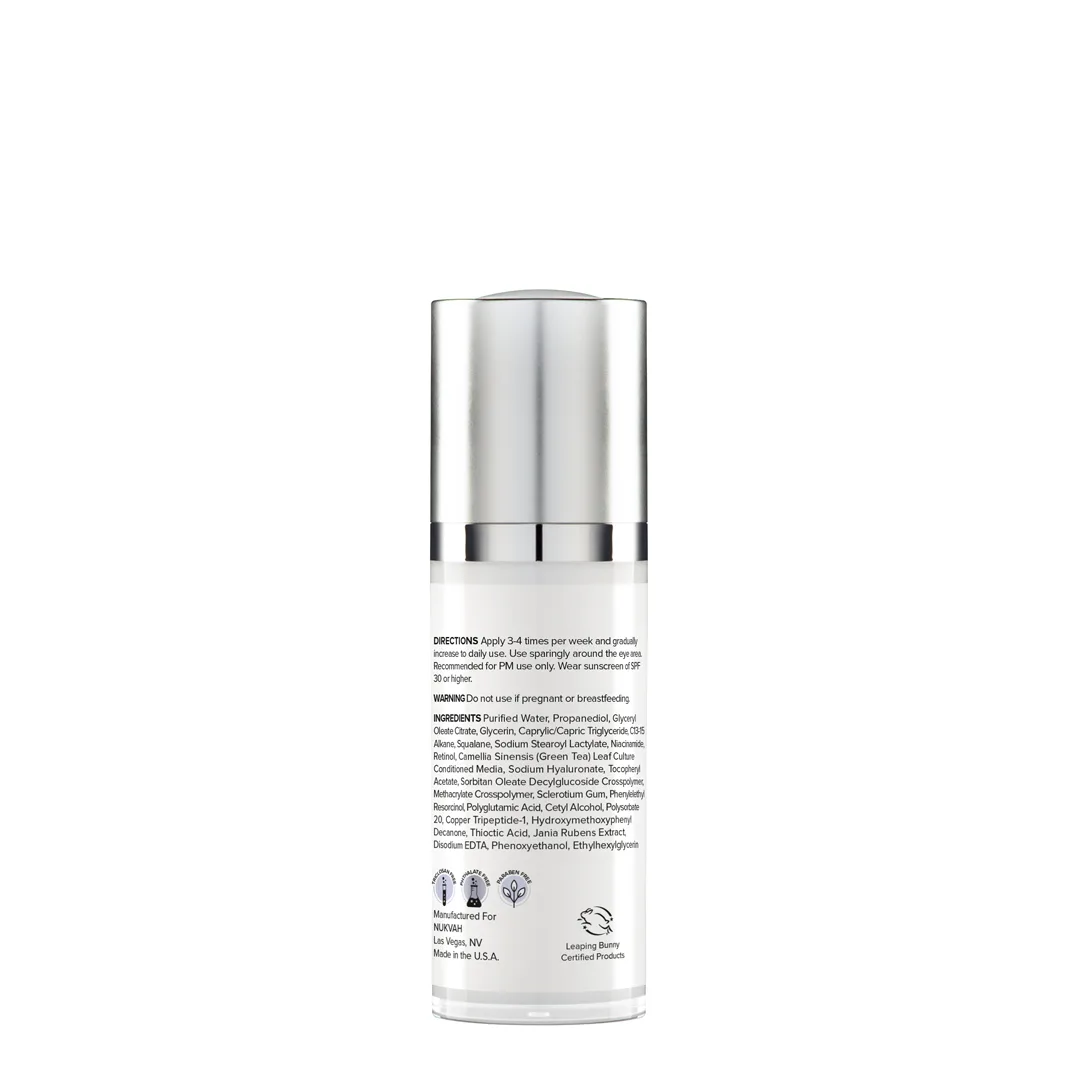
If your complexion tends to dry out easily, apply a lightweight lotion first, let it absorb, and then layer your Nukvah Retinol over top. This creates a gentle buffer that slows down absorption without sacrificing the cosmetic benefits of the formula.
Choosing the Right Retinol Strength
Begin with a low concentration between 0.25% and 0.5%
Beginners should bypass high-potency formulas until skin resilience is established. Starting in the lower concentration range helps your skin adapt comfortably to daily cellular turnover.
Look for formulas paired with nourishing peptides and ceramides
The best retinoids work in harmony with supporting ingredients that reinforce your moisture barrier. Formulas that combine retinol with peptides and lipids help keep skin soft, plump, and balanced during the adjustment period.
Avoid starting with prescription-strength retinoids unless advised by a professional
Over-the-counter options provide exceptional smoothing and firming benefits without the intense irritation associated with prescription-grade alternatives. Stick to cosmetic-grade formulas to keep your routine manageable and comfortable.
The Correct Retinol Application Routine
Cleanse skin thoroughly and wait 10 minutes until completely dry
Wash your face with a gentle cleanser and pat dry completely. Waiting a full ten minutes ensures that residual moisture evaporates, preventing the active ingredients from penetrating too deeply too fast.
Apply a pea-sized amount evenly across the face, avoiding the immediate eye area
Dot the product onto your forehead, cheeks, and chin, then blend outward. Keep a safe distance from the delicate skin directly under your eyes and on your eyelids, where skin is thin and easily irritated.
Follow with a rich moisturizer to support the skin barrier
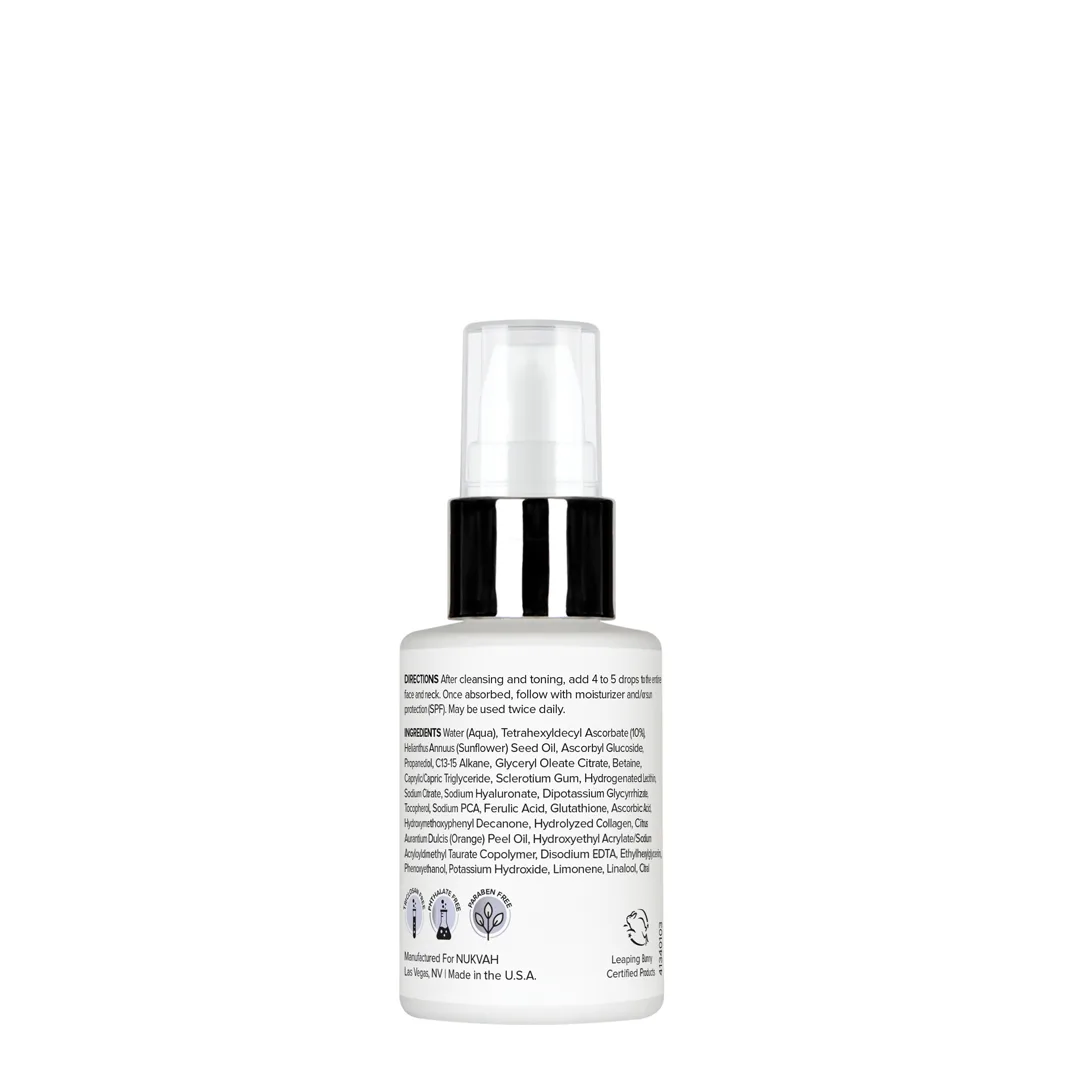
Lock in hydration and soothe the surface by layering a nourishing cream over your active treatment. To give your skin an extra boost of barrier-supporting nourishment on non-retinol nights, seal your routine with our Nukvah Superfood Facial Oil.
How Often to Apply Retinol
| Timeline | Application Frequency | What to Expect |
| Weeks 1–2 | Twice a week (spaced 3 days apart) | Initial adjustment phase; mild dryness may occur |
| Weeks 3–4 | Every other night | Skin begins building comfort; texture appears smoother |
| Week 5 and beyond | Nightly use (as tolerated) | Consistent cell renewal and long-term radiance |
Why Daily Sun Protection Is Non-Negotiable
Retinol use makes skin more sensitive to UV exposure
Because retinol accelerates surface cell turnover, fresh skin rises to the surface more quickly. This means your complexion is more vulnerable to the sun’s rays during the day.
Apply a broad-spectrum SPF moisturizer every morning without exception
Sun protection is the ultimate partner to any anti-aging routine. Shield your skin every single morning with our Nukvah Illuminating Sunscreen Moisturizer SPF 30 to defend against environmental stressors and maintain your progress.
Reapply sunscreen throughout the day when spending time outdoors
A single morning application wears off if you are out in the sun. Reapply your SPF protection every two hours during extended outdoor exposure to keep your skin fully guarded.
Common Mistakes to Avoid
Do not layer retinol with strong physical scrubs or high-strength AHAs on the same night
Combining multiple potent exfoliants in one routine overwhelms the skin barrier. Keep your acids and scrubs for separate evenings to prevent raw, sensitive skin.
Avoid applying retinol to damp skin, which increases penetration and potential irritation
Applying active serums to wet skin drives the product into deeper layers too quickly. Always ensure your face is completely dry before smoothing on your evening treatments.
Do not skip moisturizer thinking it reduces effectiveness
Hydration does not dilute active ingredients; it protects your skin barrier so you can use them consistently. Skipping your cream often leads to flaking that forces you to stop your routine entirely.
Clean, lab-formulated skincare
Discover Nukvah
Medical-grade, cruelty-free skincare made in the USA — formulated to awaken your true beauty.
FAQ
Can I use vitamin C and retinol in the same routine?
It is best to separate them to avoid over-sensitizing your skin. Apply your vitamin C antioxidant serum in the morning to protect against environmental stressors, and reserve your retinol for your evening routine.
What should I do if my skin peels or turns red?
Take a break for three to five nights and focus entirely on gentle cleansing and deep moisturization to repair your barrier. Once your skin feels calm and comfortable, resume retinol use at a reduced frequency, such as just once a week.
Can I use retinol around my eyes?
The skin around the eyes is exceptionally thin and prone to dryness. Unless a product is specifically formulated and ophthalmologist-tested for the eye contour, it is best to leave a half-inch buffer around the eye orbit.